
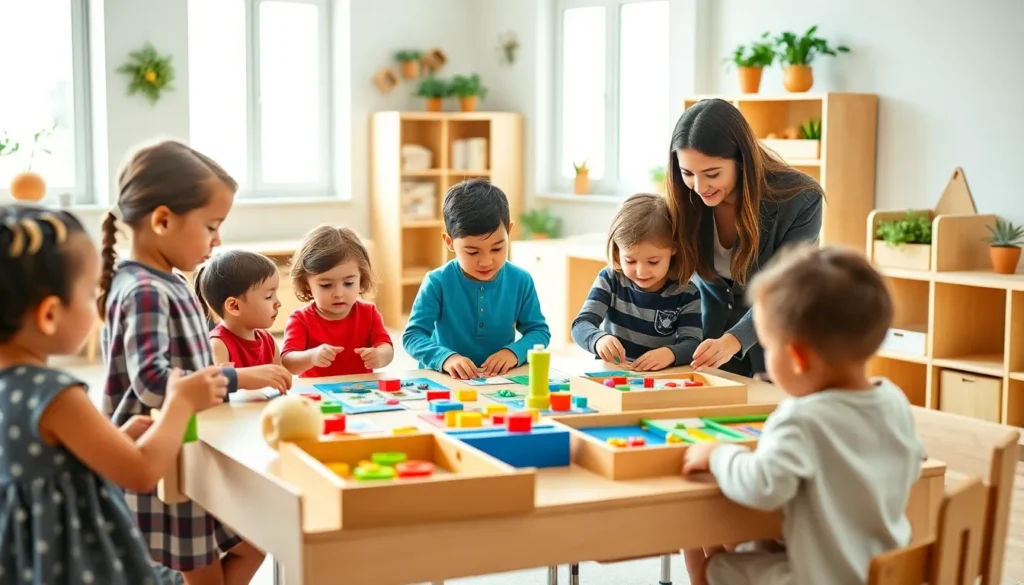
Ever wondered why kids at Maria Montessori Academy seem like they’re learning without even trying? It’s as if they’ve stumbled upon the ultimate education hack. While traditional methods often resemble a race, the Montessori approach resembles a delightful stroll through an educational wonderland. Readers are invited to explore the enchanting world of Montessori education, where independence reigns and curiosity is the main course. Buckle up, because this journey promises to unravel the secrets behind nurturing confident, capable learners.
The Philosophy of Montessori Education
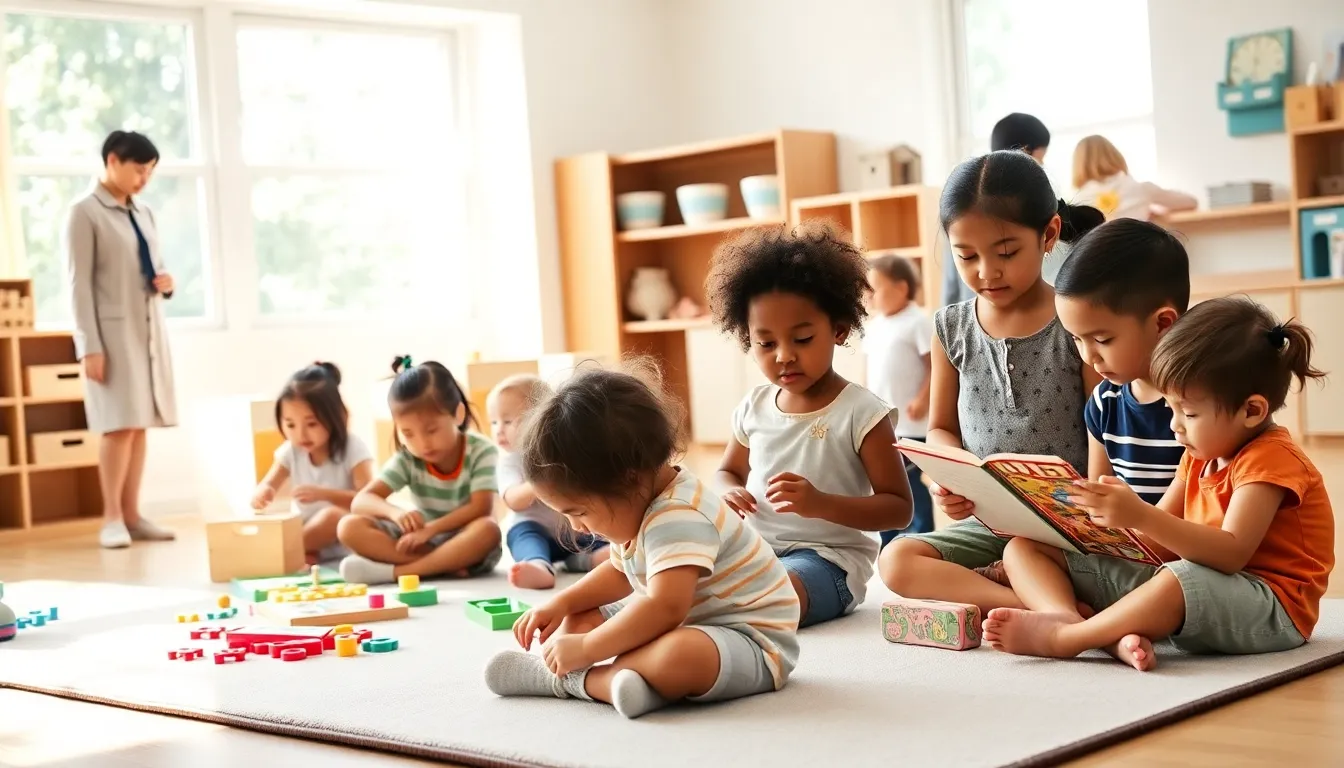
The Montessori philosophy is deeply rooted in respect for the child and their natural desire to learn. It emphasizes learning through experience and exploration rather than rote memorization. Key Principles of Montessori Teaching include the belief that children learn best when they are allowed to follow their own interests. The method promotes self-direction and hands-on activities, engaging children in their education instead of placing them on the sidelines.
Next up is The Role of the Educator in this vibrant environment. Rather than merely imparting knowledge, Montessori educators act as guides or facilitators, offering support and resources tailored to each child’s unique path. This approach fosters a collaborative relationship between teacher and students, encouraging learners to explore at their own pace.
Finally, let’s discuss Prepared Learning Environments. These spaces are especially crafted to spark curiosity. With carefully curated materials and resources available, children can jump into explorative play and learning. This setup allows them to manipulate, investigate, and discover principles in real-time, making education a truly immersive experience.
Age-Appropriate Learning Materials
What really sets Montessori education apart are its Benefits of the Montessori Method. These unique learning materials aren’t just pretty objects, they’re thoughtfully designed tools that align perfectly with a child’s developmental stages. From tactile learning devices to practical life activities, each resource nurtures specific skills while keeping children engaged.
Plus, Fostering Independence and Confidence stands at the core of Montessori methods. Children are encouraged to make choices about their learning, thereby developing essential decision-making skills. This autonomy builds confidence and self-esteem, setting a solid foundation for future success. Happy, self-sufficient learners are, after all, the ultimate goal.
Also, the approach Encourages Critical Thinking and Problem Solving. Instead of providing direct answers, educators prompt students to explore solutions, enhancing their analytical skills. This method encourages a sense of curiosity that flourishes well beyond the four walls of the classroom.
The Structure of Maria Montessori Academy
At Maria Montessori Academy, the Curriculum Overview is as dynamic as the students themselves. It incorporates core subjects like math, science, and language arts through engaging, multi-sensory activities. The curriculum is flexible, allowing teachers to adjust it in real-time based on students’ interests and progress.
Besides, Extracurricular Activities and Community Involvement are integral parts of the educational experience. Participation in programs ranging from environmental stewardship projects to community service helps forge essential life skills. Such experiences enrich the curriculum and create a sense of belonging and responsibility among students.
Parent and Teacher Collaboration
Effective learning doesn’t stop at the classroom door: it extends into the home. This is where Supporting Child Development at Home plays an essential role. Maria Montessori Academy believes that consistent communication between parents and teachers can enhance a child’s growth. Workshops and resources provided encourage collaborative learning and allow parents to incorporate Montessori principles at home.
Also, Resources for Understanding Montessori Philosophy are plentiful. Parents are encouraged to explore literature and engage in community discussions to deepen their understanding. This unified approach ensures both parents and educators work hand-in-hand, fostering a solid foundation for children’s development.